The waters of the Knysna Lagoon and the iconic Knysna Heads are home to remarkable marine life. On our Scenic, Marine and Sunset cruises, guests regularly encounter playful dolphins, curious seals, abundant birdlife, and seasonal whale sightings along the Garden Route coastline.
Bottlenose dolphins are frequently seen near the Knysna Heads and in open waters beyond the channel. Watching them swim alongside the vessel is a highlight of any ocean sailing experience.
Cape fur seals are often spotted basking on the rocks or playfully navigating the currents near the Heads.
During whale season (typically June–November), Southern Right and Humpback whales may be seen offshore, breaching and tail-slapping in spectacular displays
The Knysna Lagoon is rich in bird species, including African fish eagles, cormorants, terns, herons, and black oyster catchers — making it a paradise for bird enthusiasts.
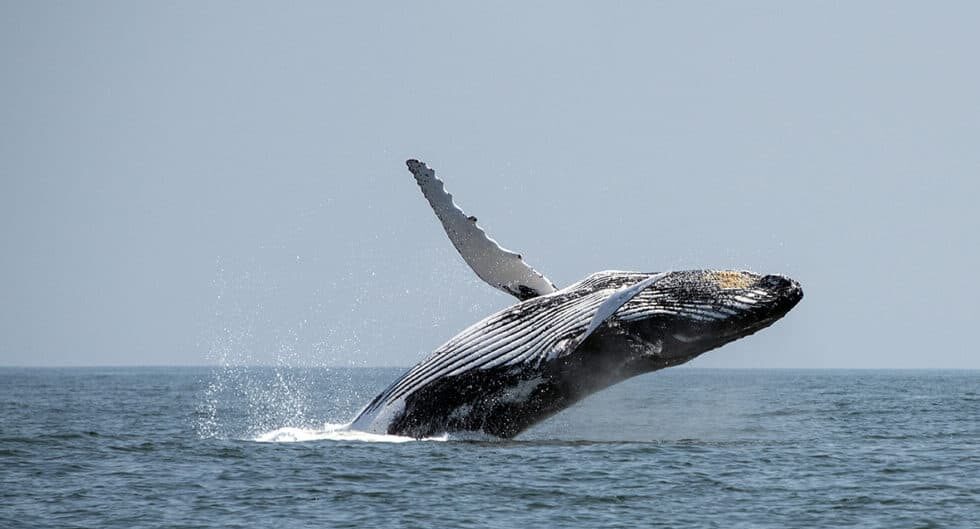
These gentle giants migrate along the coast, with peak viewing season from June to November. Ocean Sailing Catamaran Boat Tours and cruises are popular for viewing these marine mammals in season. Whales are marine mammals, giving birth to live young during their time in our warmer waters, before migrating north again.
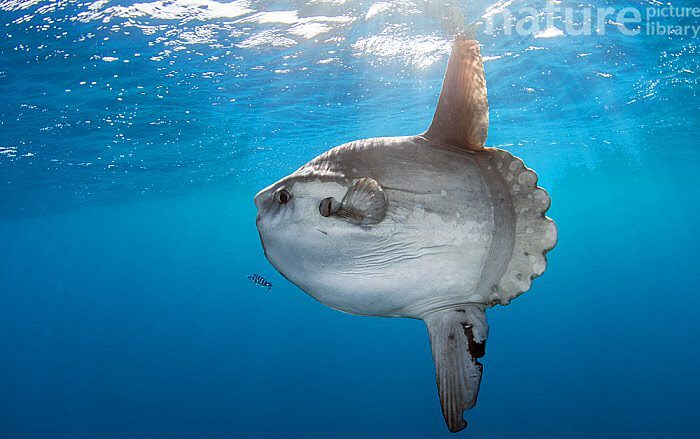
Sunfish are so called because of their habit of drifting at the surface as if basking in the sun. Ocean Sailing Charters, often encounter these majestic ocean creatures while on out on their catamaran cruises.

It is the only seahorse that is earmarked as endangered. They are endemic to the Knysna, Keurbooms and Swartvlei estuaries on the south coast of South Africa. Seahorses swim upright and rely on their curled tails to cling to reeds and seagrass. Sightings are rare, however, you might just find yourself lucky to see these elusive lagoon creatures in their natural habitat.
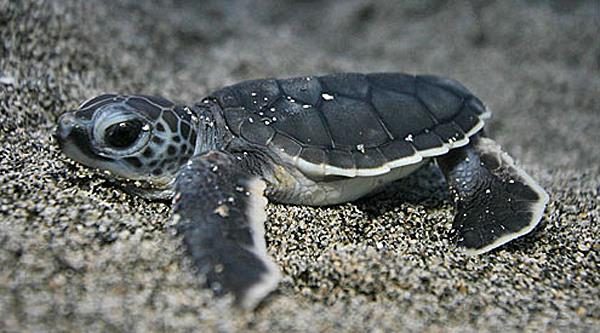
TURTLES
Green and Loggerhead Turtles are occasionally sighted in the Knysna Lagoon during stranding season (February to July), while out on a cruise with Ocean Sailing Charters. Stranded hatchlings are often found along the beaches of the Garden Route between March and October, as cooler weather conditions make survival more challenging.
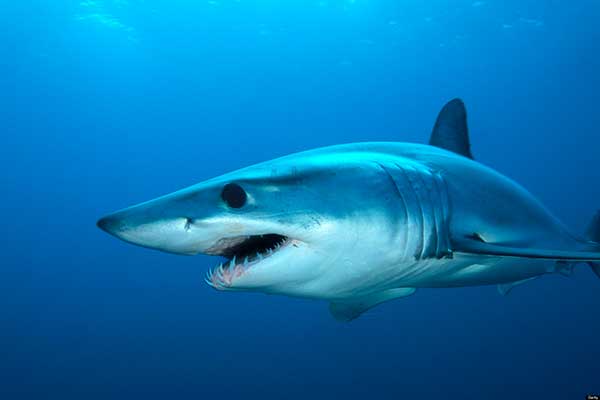
MAKO SHARK
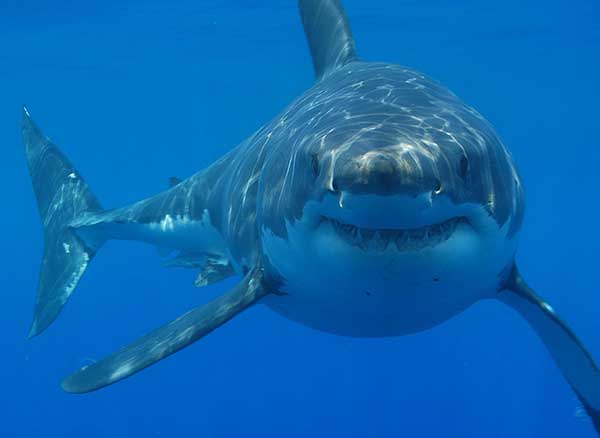
Arguably the fastest fish in the sea the maco shark can attain bursts of speed of up to 45 km/h and are often seen performing spectacular leaps from the water – this characteristic behaviour is not fully understood.
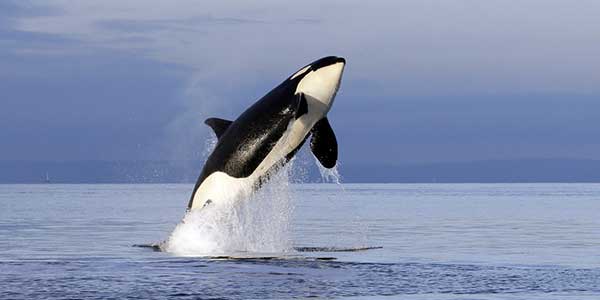
ORCA or KILLER WHALE
Orcas belong to the dolphin family and occur occasionally throughout the year.
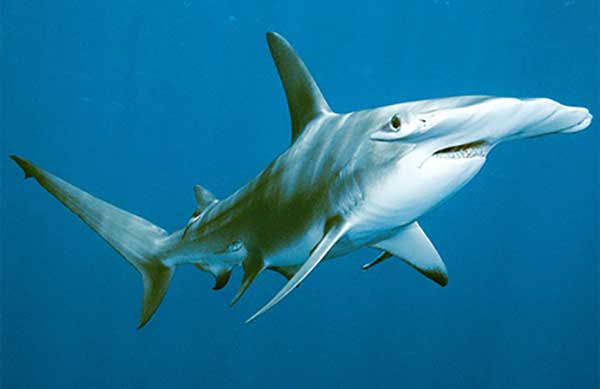
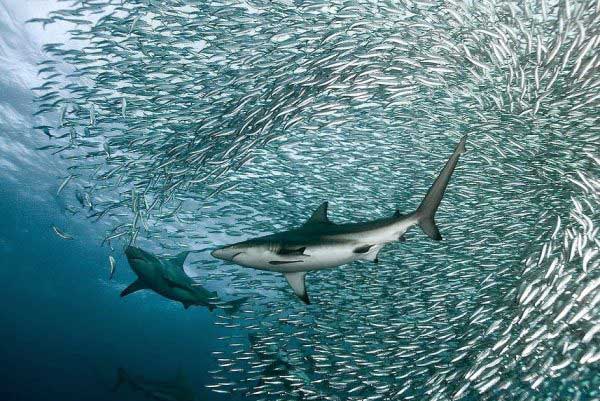
HAMMERHEAD SHARK
Unlike most sharks, hammerheads usually swim in schools. We often see them from the yacht while out in the ocean.
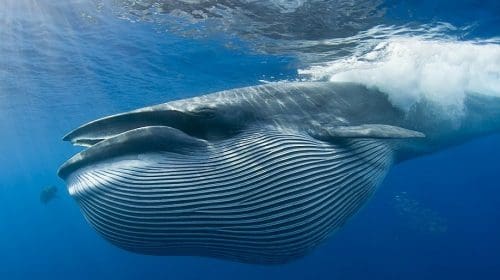
BRYDES WHALE
Brydes Whales are permanent residents and can be seen in our waters year round.
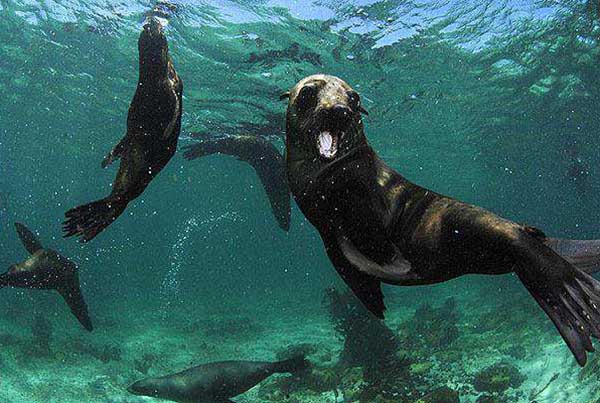
CAPE FUR SEAL
A large colony of Cape Fur Seals lives on the Robberg Peninsula, they are often spotted in the lagoon and can be very entertaining to watch.

AFRICAN PENGUIN
Also called Jackass penguins, they make donkey like braying sounds to communicate.
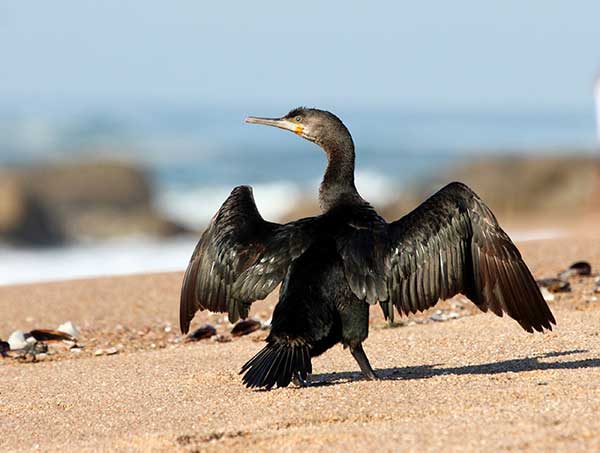
CAPE COMMORANT
Is an endangered seabird that is endemic to South Africa. Famous for its glossy green-black plumage, distinct turquoise eyes, and bright orange gular pouch, it is a highly gregarious species known to forage in massive, offshore flocks
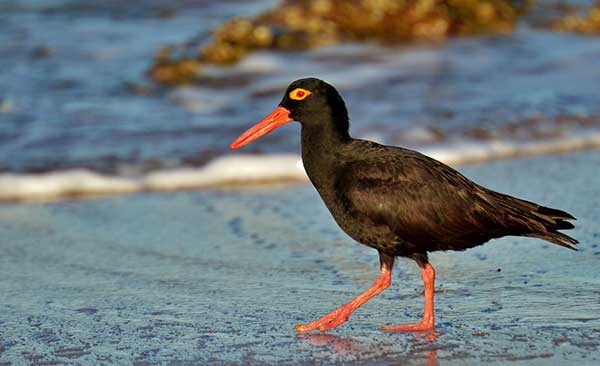
BLACK OYSTER CATCHER
South Africa’s second most endangered coastal bird.